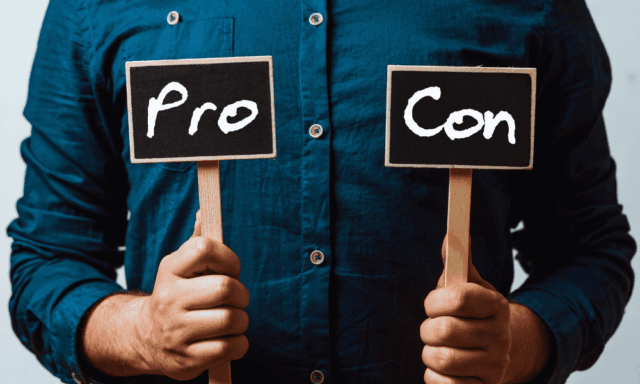
Corporate sponsorship has become a financial lifeline for many museums, especially as public funding tightens and operating costs continue to rise. But recent history shows that sponsorships can sometimes draw public ire. With that in mind, here are a few questions worth asking before a partnership (of any kind, really) moves forward.
Does this partner’s mission align with ours beyond funding?
Financial support is simple to measure. Ethical alignment is a bit trickier. Museums that accepted funding from opioid manufacturers in the U.S., including the Sackler family, learned this lesson publicly and painfully. That’s a major example from a major corporate sponsor, but it’s prudent to consider for any level of partnership.
How will this be perceived by staff, visitors, and the surrounding community?
Visitors have historically been sensitive to sponsorships that seem to contradict prevailing values around climate change. Same goes for a sponsor’s association with public harm (tobacco, pharmaceuticals, bad labor practices). Companies may use arts and culture partnerships to soften their public image and/or divert attention away from their less savory business practices.
You also want to be mindful that public reaction can veer sharply from your expectations. Or that sometimes the call comes from inside the house vis-a-vis staff reactions. In 2023, two trustees resigned from the Science Museum in the UK following controversy over the Energy Revolution gallery and concerns about greenwashing and fossil-fuel ties.
An adjacent issue worth noting: You may remember another PR crisis in 2023, when the Museum of the American Revolution rented reception space to conservative group Moms for Liberty. Multiple professional associations publicly criticized the museum for hosting a politically-charged event, illustrating that it’s not just sponsors that can cause problems.
How might this partnership be viewed by different audiences over time?
Museum partnerships are often entered with a specific purpose in mind, like funding an exhibition or supporting a program. Once things are public, though, partnerships can take on meanings your institution did not intend.
Some common ways this plays out: Visitors assume your museum is standing behind a sponsor (not just accepting its support). Or an advocacy group calls out your partner’s other business activities or past controversies, questioning why your museum is associated with them.
And although not under the sponsorship umbrella, let’s take a moment to flag influencer partnerships, since that’s a growing museum marketing trend. A large following may be enticing for visibility, but it says little about said influencer’s judgment or consistency. Older posts, side projects, or unethical/bad behavior might come to light once the partnership is public, leaving an institution holding the bag, so to speak, and having to explain an association it did not fully anticipate.
What are the deliverables and who approves final messaging?
Partners will want visibility in exchange for their support, of course. But museums should also consider the promotional details from a different perspective: You want to establish terms around how a partner is credited, where its name appears, and how long the relationship will last … to make it easier to adjust course if anything problematic surfaces.
Another important consideration: Sponsorships often start with good intentions but vague language. That vagueness can become a problem once logos and quotes begin circulating publicly. You’ll benefit from being explicit about what a partner receives in return for their support and who signs off on anything that carries your institution’s name or voice.
Could this partnership limit your future collaborations?
Even short-term or modest sponsorships can impact how your museum is perceived by other potential partners, funders, or collaborators. Indeed, this is a factor in all fields where trust and scholarly independence matter.
Despite our overly cautious tone here, partnerships are not inherently risky, and museums rely on them to do important work. The challenge is to approach things with the same level of care you bring to collections, interpretation, programming, and curation. Asking “what if” questions at the outset helps you cover your bases.